Welcome to our comprehensive look at the individuals who have guided one of Scotland’s most iconic football clubs. Leadership is the heartbeat of any successful sporting organisation, and the dugout is where the vision for victory truly begins.
Understanding the history of those who have held the reins helps us appreciate the club’s unique cultural identity. By examining the legacy of these figures, we gain a deeper insight into how the team has evolved over many decades.
Whether you are a lifelong supporter or a new fan, this guide offers a friendly overview of the figures who shaped the club. We hope you enjoy this journey through the rich heritage of the Celtic organisation and the past managers who defined its spirit.
Key Takeaways
- The importance of strong leadership in achieving long-term success.
- How managerial styles have influenced the club’s playing philosophy.
- The cultural significance of the figures who have led the team.
- An appreciation for the evolution of the squad over the years.
- A resource for fans to learn about the history of the dugout.
Origins of Celtic FC Coaches
The history of Celtic Fc Past Managers is a fascinating tale of transformation from humble amateur beginnings to the professional standards that define the club today. These early leaders navigated the complexities of the late 19th and early 20th centuries with a clear vision. They did not just manage a team; they built the very foundations of a sporting institution.
Celtic past managers information from the Celtic Wiki
| Willie Maley | 1897 – 1940 | Celtic’s longest tenure as manager |
| Jimmy McStay | 1940 – 1945 | First not to win any major trophies with Celtic as manager |
| Jimmy McGrory | 1945 – 1965 | Won Coronation Cup, domestic double, two League Cups |
| Jock Stein | 1965 – 1978 | Celtic’s greatest ever manager |
| Billy McNeill | 1978 – 1983 | First stint |
| Davie Hay | 1983 – 1987 | |
| Billy McNeill | 1987 – 1991 | Second stint; Won Centenary Double |
| Liam Brady | Jun 1991 – Oct 1993 | First not to have previously played for Celtic’s first team |
| Lou Macari | Oct 1993 – Jun 1994 | |
| Tommy Burns | Jul 1994 – May 1997 | First manager after Celtic Takeover |
| Wim Jansen | Jul 1997 – May 1998 | First non-UK/Irish manager, managed Celtic to One-in-a-Row to “Stop The Ten” |
| Jozef Venglos | Jun 1998 – May 1999 | |
| John Barnes | Jun 1999 – Feb 2000 | First non-white manager of a major club in Scotland (and one of the first in Europe); Shortest reign of any Celtic manager to date |
| Martin O’Neill | May 2000 – Jun 2005 | Won a domestic Treble, and took Celtic to the UEFA Cup final. |
| Gordon Strachan | Jun 2005 – May 2009 | First to take Celtic past group stages in Champions League (done twice) |
| Tony Mowbray | Jun 2009 – Mar 2010 | |
| Neil Lennon | Mar 2010 – May 2014 | First stint; Started as interim in Mar 2010, perm in Jun 2010 |
| Ronny Deila | Jun 2014 – May 2016 | First Scandinavian manager |
| Brendan Rodgers | May 2016 – Feb 2019 | First stint; Achieved Treble-Treble, and led the ‘InVIncibles‘ in 2016/17. |
| Neil Lennon | Mar 2019 – Feb 2021 | Second stint; Started as interim in Mar 2019, perm in Jun 2019. Sealed the Quadruple-Treble |
| Ange Postecoglou | Jun 2021 – Jun 2023 | Celtic’s first Australian and/or Greek manager. Sealed Celtic’s record eighth domestic Treble. |
| Brendan Rodgers | 19 Jun 2023 – 27 Oct 2025 | Second stint; |
| Wilfried Nancy | 3 Dec 2025 – 5 Jan 2026 | 33 Days Stint |
Interim & Caretaker Managers
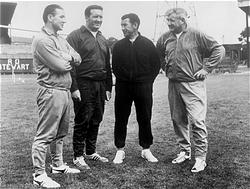
- Caretakers & Temporary Managers
- Tom Maley, 1931 – during Celtic’s USA tour
- Sean Fallon, 1975 – 76
- Frank Connor, 1993
- Billy Stark, 1997
- Kenny Dalglish, 2000
- Neil Lennon, Feb 2010 – Jun 2010
- Neil Lennon, Mar 2019 – Jun 2019
- John Kennedy, Feb 2020 – 10 Jun 2021, 5 Jun 2023 – 19 Jun 2023
- Martin O’Neill, 28 Oct 2025 – 3 Dec 2025, 5 Jan 2026 – Present
Early Managers and Their Impact
In the formative years, the club relied on individuals who possessed both tactical acumen and a deep understanding of the community. These pioneers established a winning culture that prioritised discipline and collective effort. By setting high expectations, they ensured that the team remained competitive even during challenging times.
“The strength of the club lies in the character of those who lead it, for they set the standard for every player who wears the jersey.”
These early figures were instrumental in bridging the gap between local football and the professional game. Their ability to adapt to changing regulations and player expectations helped solidify the club’s reputation. Many Celtic Fc Past Managers from this era are remembered for their resilience and commitment to the club’s core values.
The Role of the Manager in Celtic’s Success
The manager’s role evolved significantly as the game grew in popularity and complexity. Beyond simple team selection, these leaders were responsible for creating a moral framework that guided the players on and off the pitch. This holistic approach was vital for maintaining the club’s identity during its most critical growth phases.
Success was rarely accidental; it was the result of careful planning and the implementation of clear tactical strategies. By fostering a sense of unity, the managers ensured that every player understood their contribution to the team’s overall success. This legacy continues to influence how Celtic Fc Past Managers are viewed by supporters and historians alike.
Notable Achievements of Past Managers
Exploring the legacy of Celtic Fc Past Managers reveals a fascinating journey of tactical triumphs and record-breaking seasons. These leaders did not just manage a team; they cultivated a culture of winning that remains the heartbeat of the club today. Their ability to navigate high-pressure environments while securing silverware has cemented their status as true legends.
Major Trophies Won
The trophy cabinet at Celtic Park is a shining reflection of the ambition shown by those in charge. From domestic league titles to prestigious cup victories, the silverware accumulated over the decades is staggering. Key achievements include:
- Securing multiple Scottish League titles in consecutive seasons.
- Winning the Scottish Cup and League Cup with tactical precision.
- Achieving historic European success that put the club on the global map.
Records Held by Managers
Beyond the trophies, many managers set benchmarks that seemed impossible to reach at the time. These records highlight the consistency and resilience required to lead such a demanding club. Some notable milestones include:
- Longest unbeaten domestic runs in modern football history.
- Highest points tallies achieved within a single league campaign.
- Most consecutive wins across all competitions during a single tenure.
Iconic Matches Under Their Leadership
Tactical brilliance often shines brightest during the most challenging fixtures. Certain matches stand out as masterclasses where the manager’s vision perfectly aligned with the players’ execution on the pitch. These games are remembered for:
“The tactical discipline shown on the night proved that our preparation was second to none.”
Whether it was a dramatic comeback in a derby or a disciplined defensive display against European giants, these moments defined eras. By studying these matches, we gain a deeper appreciation for the strategic minds that have guided the club through its most glorious chapters.
The Evolution of Celtic FC’s Management Style
From the rugged, direct play of the early years to the fluid, possession-based systems of today, the tactical identity of the club has never stood still. Celtic Fc Managers have consistently navigated the shifting tides of footballing philosophy to keep the team at the pinnacle of the game. This journey reflects a deep commitment to progress while honouring the club’s rich heritage.
Changing Tactics Over the Years
In the formative decades, the approach was often defined by physical strength and a direct, high-tempo style. Celtic Fc Managers relied on traditional British formations that prioritised grit and determination above all else. Over time, this evolved into a more sophisticated tactical framework that values technical proficiency and spatial awareness.
“Football is a game of constant evolution; if you stand still, you are effectively moving backwards.”
The Influence of European Competitions
Participation in prestigious European tournaments forced the club to broaden its horizons significantly. Facing diverse international opponents required a departure from domestic norms and the adoption of innovative, flexible strategies. These continental challenges acted as a catalyst for tactical growth, pushing the club to compete on a global stage.
| Era | Primary Tactical Focus | Key Characteristic |
|---|---|---|
| Early Years | Direct, Physical Play | Work Rate |
| Mid-Century | Structured Defence | Discipline |
| Modern Era | High Pressing/Possession | Technical Skill |
Adapting to the Modern Game
The contemporary landscape demands a rigorous focus on data-driven insights and elite physical conditioning. Modern Celtic Fc Managers must now balance traditional expectations with the fast-paced requirements of today’s sport. By embracing advanced analytics and sports science, the club ensures it remains competitive in an increasingly demanding environment.
Famous Managers and Their Tenures
The history of Celtic FC is defined by the remarkable leaders who have guided the club through its most iconic eras. These individuals have done more than just select teams; they have shaped the very soul of the club. By examining the careers of various Celtic Fc Managers, we gain insight into how different leadership styles have influenced the club’s trajectory over the decades.
Jock Stein and His Legacy
No discussion of leadership at the club is complete without mentioning Jock Stein. He remains the ultimate benchmark for all Celtic Fc Managers who have followed in his footsteps. His tenure was marked by the historic 1967 European Cup victory, which cemented his status as a true legend of the game.
Stein brought a level of tactical discipline and vision that transformed the club into a European powerhouse. His ability to foster a winning mentality created a standard that continues to inspire players and staff today. His influence is not just measured in trophies, but in the enduring pride he instilled in the supporters.
Current and Recent Managers
In the modern era, the role of the manager has evolved significantly. Recent Celtic Fc Managers have had to navigate a landscape defined by intense media scrutiny and the demands of global football. While the pressure remains high, the approach to training and recruitment has become increasingly sophisticated.
Modern leaders must balance the need for immediate results with the long-term development of the squad. They often face the challenge of maintaining the club’s identity while adapting to new tactical trends. This constant evolution ensures that the club remains competitive in both domestic and European competitions.
The Influence of Martin O’Neill
Martin O’Neill arrived at a pivotal moment and brought a fresh intensity to the club. His tenure is often remembered for his passionate leadership and his ability to unite the squad during high-stakes matches. Under his guidance, the team reached the UEFA Cup final, showcasing a grit that resonated deeply with the fanbase.
O’Neill’s impact went beyond the pitch, as he revitalised the club’s competitive spirit. His tenure serves as a perfect example of how a strong personality can shift the momentum of a club. Many fans still look back at his era as a time of great excitement and renewed ambition.
| Manager | Key Era | Primary Strength |
|---|---|---|
| Jock Stein | 1965–1978 | Tactical Innovation |
| Martin O’Neill | 2000–2005 | Motivational Leadership |
| Modern Era | 2010–Present | Data-Driven Strategy |
Managers Who Shaped Celtic’s Identity
Beyond the tactical boards and training pitches, Celtic Fc Managers have long served as the custodians of the club’s unique spirit. These leaders do not simply manage a squad; they embody the values that define the institution for generations of supporters.
Coaching Philosophy and Style
A manager’s personal philosophy often acts as the bridge between historical tradition and modern performance. When a coach aligns their tactical approach with the club’s heritage, they create a cohesive identity that resonates deeply with the fanbase.
Successful Celtic Fc Managers have historically prioritised an attacking, fluid style of play. This commitment to entertaining football is not just a tactical choice; it is a reflection of the club’s desire to inspire its community through passion and flair.
Contribution to Club Culture
The influence of a manager extends far beyond the ninety minutes played on the pitch. By fostering a sense of belonging, these individuals help maintain the strong bond between the team and the local community.
Whether through their public communication or their dedication to youth development, these leaders shape the internal culture of the club. True leadership at this level requires an understanding that the manager is merely a temporary guardian of a much larger, enduring legacy.
Ultimately, the most iconic Celtic Fc Managers are those who recognise that their primary duty is to protect the club’s spirit. By integrating their own values with the traditions of the past, they ensure that the identity of the club remains vibrant and relevant for the future.
Challenges Faced by Celtic Managers
The role of a manager at Celtic Park is often described as one of the most demanding positions in British football. Those who step into the dugout must possess a rare blend of tactical brilliance and emotional intelligence to survive the intense spotlight. It is a position where the margin for error is incredibly slim, and the history of the club adds a layer of weight to every decision made.
Dealing with Pressure and Expectations
The fanbase at Celtic is renowned for its passion and unwavering support, which creates a unique environment for Celtic Managers. This high level of expectation means that every result is scrutinised by thousands of supporters and the national media alike. Maintaining focus while under such intense pressure requires a thick skin and a clear vision for the team’s future.
Leaders must learn to block out the noise to ensure their tactical plans remain consistent. Resilience is the most vital trait for anyone in this role, as they must balance the demands of the present with the long-term goals of the club.
Managing Player Relations
Modern squads are increasingly diverse, bringing together players from various cultural backgrounds and footballing experiences. Successful Celtic Managers must act as mediators and mentors to keep the dressing room united. Building trust with players is essential, especially when navigating the highs and lows of a long season.
Effective communication helps in aligning individual ambitions with the collective goals of the squad. When players feel valued and understood, their performance on the pitch often reflects that positive team culture.
Navigating Financial Constraints
Operating within a competitive market requires a strategic approach to recruitment and development. Celtic Managers often have to work within strict financial parameters while still aiming for domestic and European success. This reality forces leaders to be creative, often focusing on scouting hidden talent or developing youth prospects to strengthen the side.
Managing these resources effectively is a testament to a manager’s ability to adapt. By prioritising long-term sustainability, they ensure the club remains competitive without compromising its financial health. It is a delicate balancing act that defines the modern era of football management.
The Impact of Technology on Management
The landscape of professional football is evolving, with technology playing a pivotal role in how Celtic Managers prepare their squads for the challenges of the modern game. By embracing digital transformation, the club ensures that its coaching staff remains at the cutting edge of sporting excellence.
Data-Driven Decisions
In recent years, the integration of advanced analytics has become a cornerstone of tactical preparation and recruitment. Celtic Managers now rely on comprehensive performance data to identify potential signings and analyse the strengths of upcoming opponents.
This shift towards evidence-based decision-making allows the coaching team to refine their strategies with precision. By examining heat maps, passing accuracy, and player movement patterns, the staff can make informed choices that directly influence match outcomes.
Training Innovations Under Various Managers
Beyond tactical analysis, the club has invested heavily in training innovations designed to maximise player fitness and longevity. These advancements allow Celtic Managers to monitor physical output in real-time during training sessions at Lennoxtown.
Wearable technology and GPS tracking provide vital insights into player workload, helping to prevent injuries and optimise recovery periods. Such scientific approaches ensure that the squad maintains peak performance levels throughout a demanding domestic and European calendar.
By prioritising these technical advancements, the club demonstrates a clear commitment to staying ahead of the curve. This dedication to sports science remains a defining characteristic of how modern Celtic Managers lead the team to success.
Future Trends in Celtic FC Management
As the game evolves, the requirements for those leading the team at Parkhead are shifting towards more dynamic and modern approaches. The club remains committed to finding Celtic Managers who can balance the weight of history with the demands of contemporary football. This forward-thinking mindset ensures that the team stays ahead of its rivals in Scotland and beyond.
Potential Candidates for Upcoming Seasons
Identifying the right leadership is a complex task that involves scouting coaches with proven tactical acumen. The club looks for individuals who understand the unique culture of the supporters while possessing a modern vision for the game. Future Celtic Managers will likely be those who have demonstrated success in high-pressure environments.
The recruitment process now focuses on candidates who can adapt to different styles of play. By analysing performance metrics and leadership qualities, the board aims to secure talent that aligns with the club’s long-term goals. This ensures a smooth transition whenever a change in the dugout is required.
Strategies for Continuing Success
Maintaining a dominant position requires a blend of consistency and innovation. The club prioritises strategic planning to ensure that the coaching staff has the resources needed to compete at the highest level. This includes investing in advanced training facilities and sports science to support the players.
Success is also built on the integration of youth development into the first-team setup. By fostering a clear pathway for academy players, the club ensures a sustainable future. This approach allows Celtic Managers to rely on a core group of players who understand the club’s identity from a young age.
Embracing Diversity in Coaching
The modern game benefits greatly from a variety of perspectives and experiences. Bringing in coaches from different footballing backgrounds can provide fresh ideas that challenge traditional methods. This diversity is essential for staying competitive in European competitions where tactical flexibility is key.
By welcoming new voices, the club enriches its coaching environment and encourages creative problem-solving. This inclusive strategy helps in building a robust staff capable of handling the diverse challenges of a long season. It is a vital step in ensuring that the club remains a forward-thinking institution.
| Focus Area | Strategic Goal | Expected Outcome |
|---|---|---|
| Tactical Innovation | Modernise playstyle | Increased efficiency |
| Youth Integration | Develop home-grown talent | Squad sustainability |
| Global Scouting | Broaden talent pool | Competitive advantage |
| Data Analytics | Improve decision making | Optimised performance |
Fan Perspectives on Managers
Supporters at Celtic Park hold the ultimate power when judging the success of those in the dugout. The bond between the terraces and the pitch defines the true legacy of every leader at the club.
Fans often look beyond simple trophy counts to measure the worth of Celtic Managers. They value a deep connection to the club culture and a clear commitment to attacking football. This emotional investment creates a unique environment where expectations remain high throughout every season.
Evaluating Leadership Through Supporter Eyes
The collective voice of the fanbase acts as a barometer for the health of the team. Supporters analyse tactical shifts and player development with keen interest. They appreciate leaders who respect the history of the club while pushing for modern progress.
A manager earns respect by embracing the passion found in the stands. When the vision of the coach aligns with the dreams of the supporters, the club thrives. This relationship remains the most vital part of the identity of Celtic Managers. Your voice continues to shape the future of this historic institution as the journey moves forward.